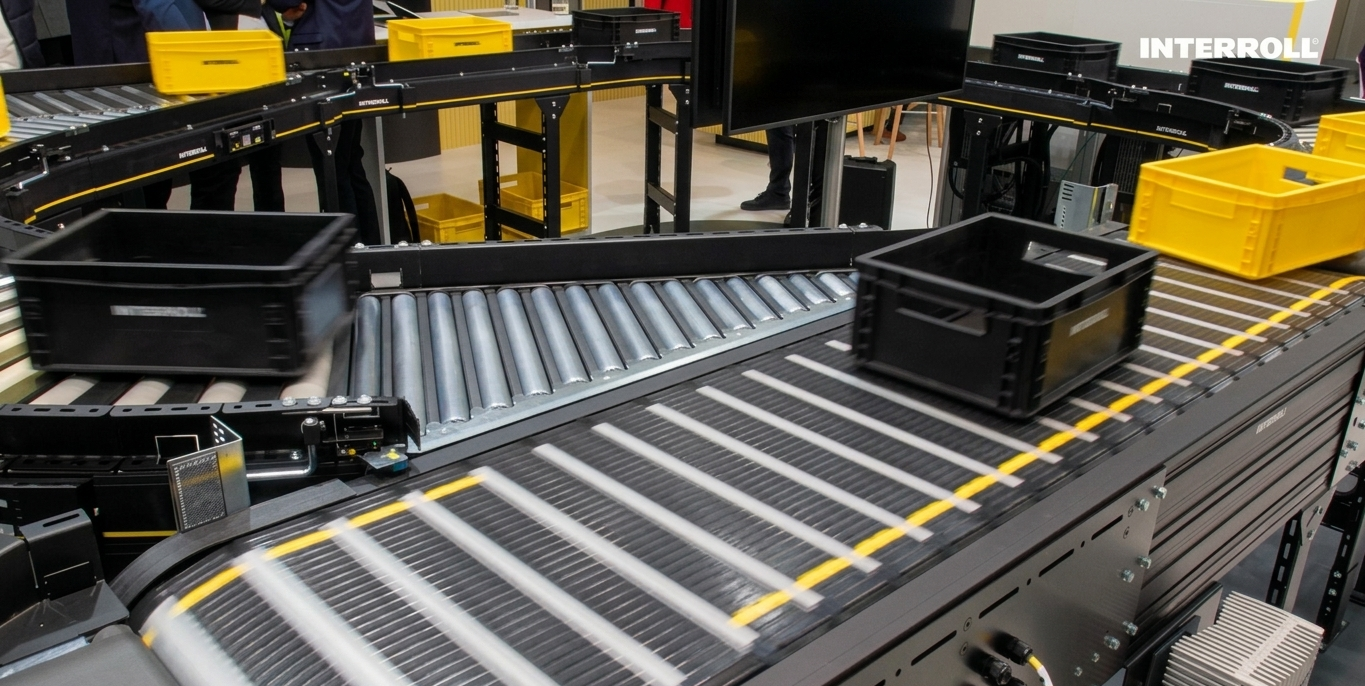
The right sortation system depends on the facility’s throughput, item profile, available footprint, destination count, integration requirements, and lifecycle expectations. Small-item fulfilment often needs compact high-density sortation, last-mile parcel sites often need mid-performance and fast implementation, while central hubs require high-throughput systems built for resilience and continuous operation.
In sortation, bigger is not always better.
Choosing a sortation system is no longer a simple technology comparison.
The market is becoming more segmented. Some facilities need dense small-item handling. Others need compact parcel sortation for brownfield last-mile operations. Major backbone hubs still require mission-critical peak throughput. At the same time, investment decisions are becoming more sensitive to CAPEX, implementation speed, maintenance effort, and long-term flexibility.
That means the best sortation system is not always the fastest one. It is the one that fits the operation.
For operators, OEMs, and system integrators, the challenge is to match the right technology to the right application before the project becomes overdesigned, underpowered, or too complex to deliver efficiently.
A practical framework for choosing the right sorter
A good sortation decision should align six factors:
-
Throughput requirement: Define realistic average, peak, and future volume needs.
-
Item profile: Clarify whether the system must handle parcels, cartons, polybags, totes, flats, envelopes, lightweight goods, or irregular items.
-
Footprint and layout: Assess whether the site is greenfield or brownfield, and how much space is available for the sorter, infeed, destinations, and maintenance access.
-
Destination density: Determine how many outputs are needed now and how destination requirements may evolve.
-
Integration complexity: Evaluate controls, software, existing conveyor systems, data exchange, and commissioning requirements.
-
Lifecycle value: Consider uptime, maintenance, energy consumption, service support, retrofit potential, and long-term scalability.
When these six factors are aligned, sorter selection becomes much clearer.
Start with the operational role of the facility
Every good sorter decision begins with one question: What role does this facility play in the network?
A central parcel hub has different needs than a regional sort center. A city delivery station has different constraints than a large e-commerce fulfilment center. A small-item fulfilment operation has different performance logic than a facility handling heavy parcels or bulky items.
Before comparing sortation technologies, teams should define whether the site is primarily built for:
- high-volume parcel hub operations
- regional or last-mile parcel sortation
- e-commerce fulfilment
- small-item or lightweight goods processing
- retail distribution and returns
- manufacturing or production logistics
- mixed-item warehouse automation
This first decision helps clarify the real sorting challenge.
Match throughput to the real application
Throughput is important, but it must be interpreted correctly.
A sorter designed for major hub operations may deliver very high capacity, but that does not automatically make it the best choice for a smaller facility. In regional and last-mile operations, the market is increasingly moving toward mid-performance systems that provide sufficient throughput with compact layouts, lower complexity, and faster implementation.
At the same time, high-performance systems remain essential where the business case is defined by peak volume, nonstop operation, and network-critical reliability.
A practical throughput assessment should consider:
- average daily volume
- peak-hour volume
- seasonal peaks
- future growth expectations
- induction capacity
- discharge and destination capacity
- downstream bottlenecks
A sorter cannot deliver its full value if the surrounding system is not designed for the same flow. Infeed, controls, destinations, chutes, service access, and downstream processes all need to be evaluated together.
Small-item fulfillment requires density, not just speed
In many fulfilment environments, the challenge is not only parcel volume. It is item density.
Operations are processing more lightweight goods, smaller packages, and high-SKU order profiles. These flows often require many destinations, fast routing decisions, and efficient use of limited floor space. The result is a growing need for compact high-throughput small-item sortation.
For this application, a strong sorter concept should support:
- high destination density
- accurate handling of lightweight items
- compact layout design
- smooth induction and discharge
- low manual intervention
- reliable operation across repeated cycles
This is where technologies such as split-tray sortation, compact crossbelt concepts, and modular sorter layouts can be highly relevant. The goal is to process more units without allowing the sorter footprint to consume space needed for picking, packing, buffering, or dispatch.
Last-mile parcel sortation needs speed of implementation and low risk
Last-mile and regional parcel facilities are becoming one of the most important sortation categories.
These sites usually operate under different constraints than major hubs. They need automation that fits existing buildings, supports mixed parcel flows, can be implemented quickly, and does not create unnecessary maintenance or controls complexity.
For these facilities, decision-makers should prioritize:
- compact footprint
- right-sized throughput
- modular installation
- easy integration
- low maintenance
- scalable design
- strong lifecycle value
This is also where CAPEX sensitivity becomes a decisive factor. Smaller facilities often need faster payback and lower project risk. The right sorter should improve flow and reduce manual handling without forcing the operator into a system architecture designed for a very different facility type.
Backbone hubs still need peak throughput and resilience
The rise of mid-performance and compact sortation does not eliminate the need for high-performance systems.
Central parcel hubs, large e-commerce facilities, and major distribution centers remain the backbone of many networks. These operations need sortation systems that can handle peak throughput, large destination structures, broad item profiles, and continuous duty cycles.
In these environments, sorter selection should focus on:
- maximum throughput capability
- uptime and machine availability
- robust handling of parcels and packages
- serviceability and maintenance access
- energy efficiency
- lifecycle cost
- proven performance under peak conditions
High-performance sortation should be positioned precisely: it is not the generic answer for every site, but it is the right answer where network-critical throughput and resilience define the business case.
CAPEX is only one part of the real cost decision
Upfront price matters, but it does not tell the full story.
A sorter with a lower acquisition cost can become expensive if it increases maintenance, creates bottlenecks, lacks scalability, or requires complex integration. Conversely, a higher-performing system may deliver stronger value if it reduces downtime, supports future growth, and improves long-term operational reliability.
A stronger business case should evaluate:
- acquisition cost
- installation and commissioning effort
- software and controls integration
- maintenance requirements
- spare parts and service model
- energy consumption
- ability to expand or reconfigure
- downtime risk during upgrades
- total lifecycle value
This is especially important in markets where price-sensitive competition is increasing. Operators should ask not only “What does the system cost?” but also “What will this system cost to operate, adapt, and support over time?”
The most important question in sortation is not “Which technology is best?” It is “Which technology is best for this operation?”
Small-item fulfillment needs density. Last-mile sortation needs compact, low-risk implementation. Brownfield upgrades need flexibility. Aging CEP networks need modernization strategies. Backbone hubs still need peak throughput and resilience.
The companies that stand out in the next phase of sortation will be the ones that choose based on operational fit, not generic specifications. That is the future of smarter sortation: the right system, for the right site, at the right level of performance.


.png?width=1200&height=628&name=Q2%20Sorters%20social%20graphic%20(7).png)
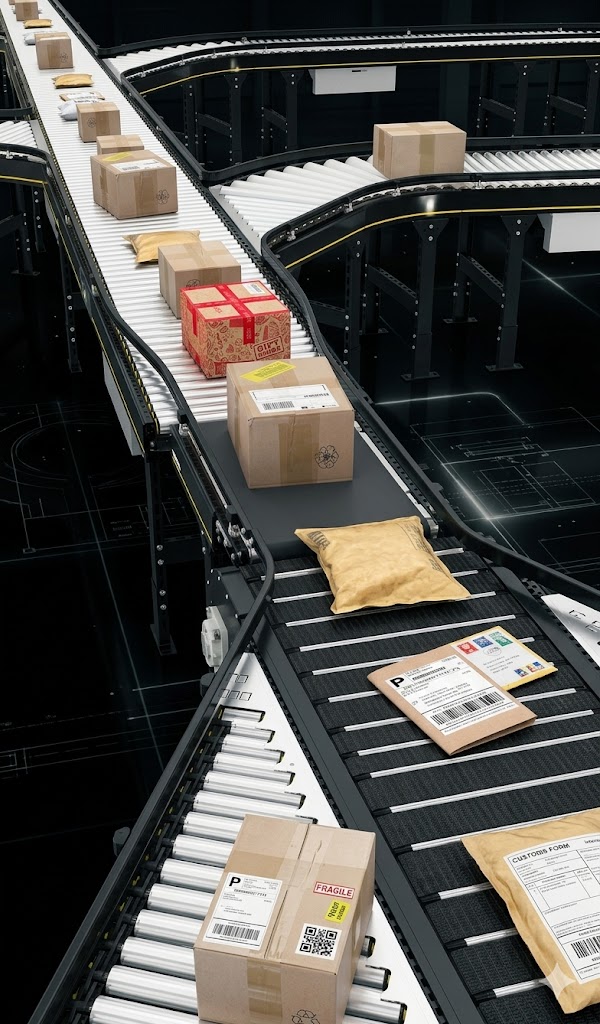 Sortation decisions are increasingly driven by throughput fit, footprint, lifecycle value, and implementation risk. Here is why right-sized automation is becoming the smarter strategy.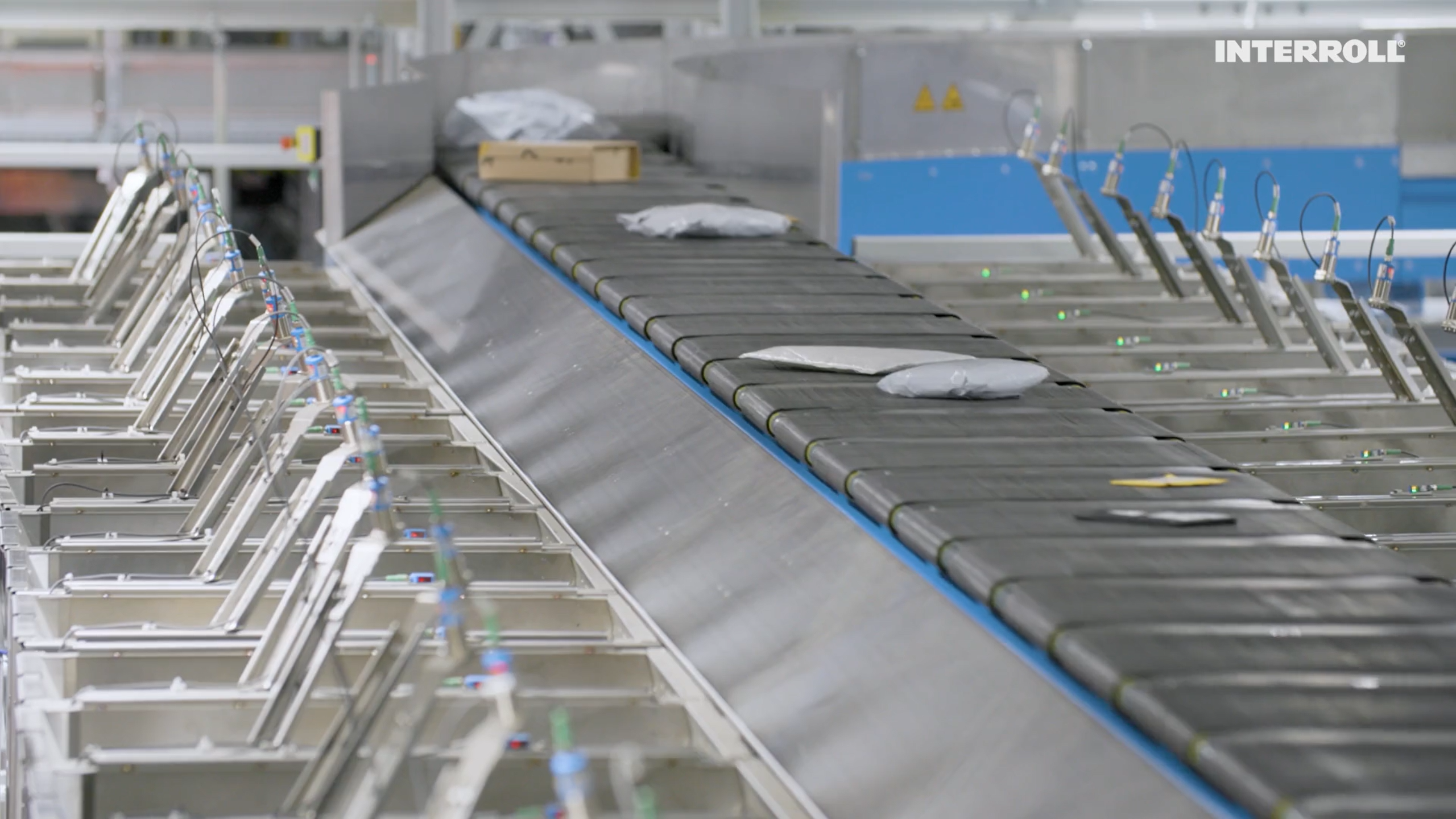
.png?width=2560&height=1440&name=image%20(3).png)