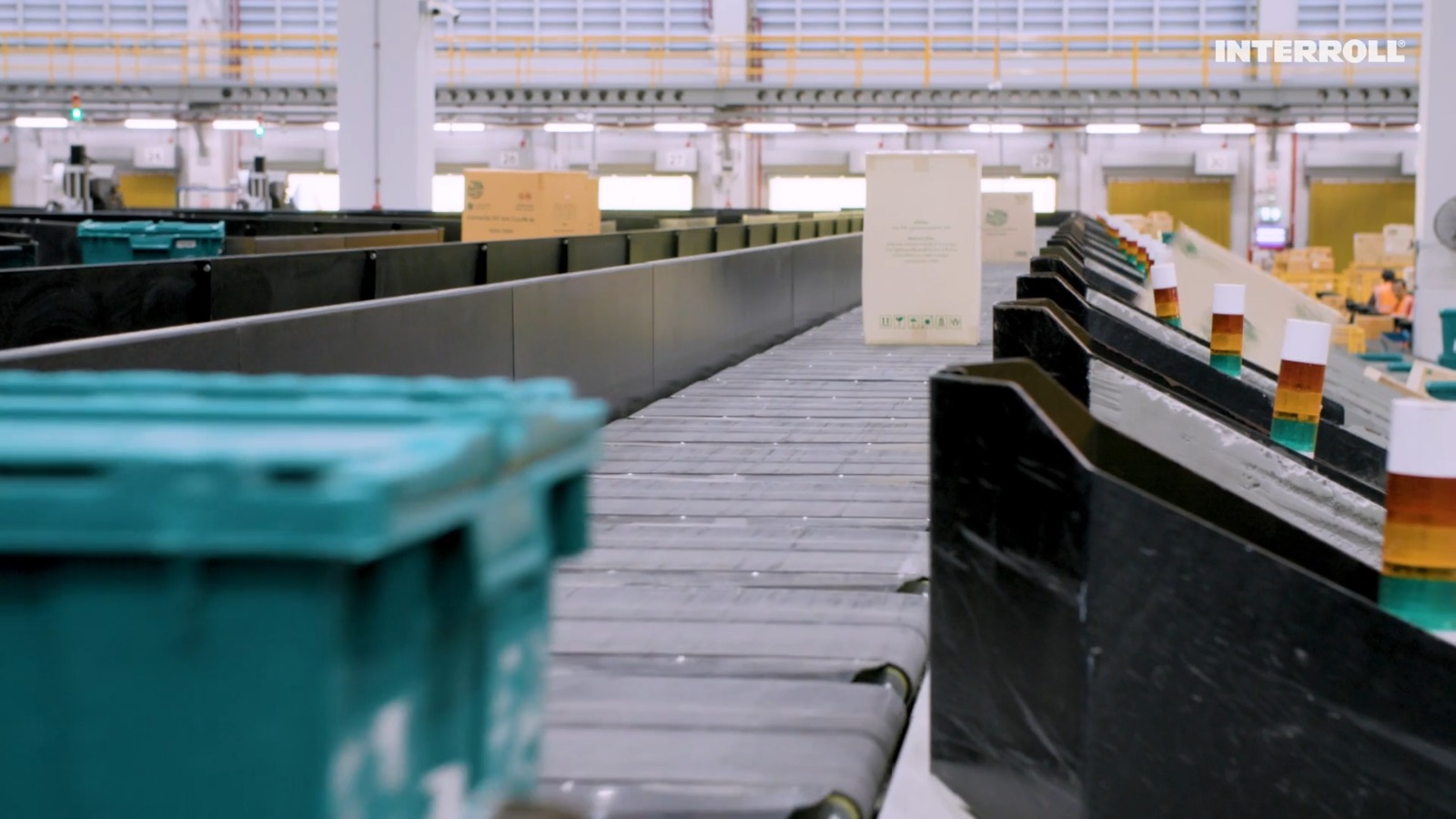
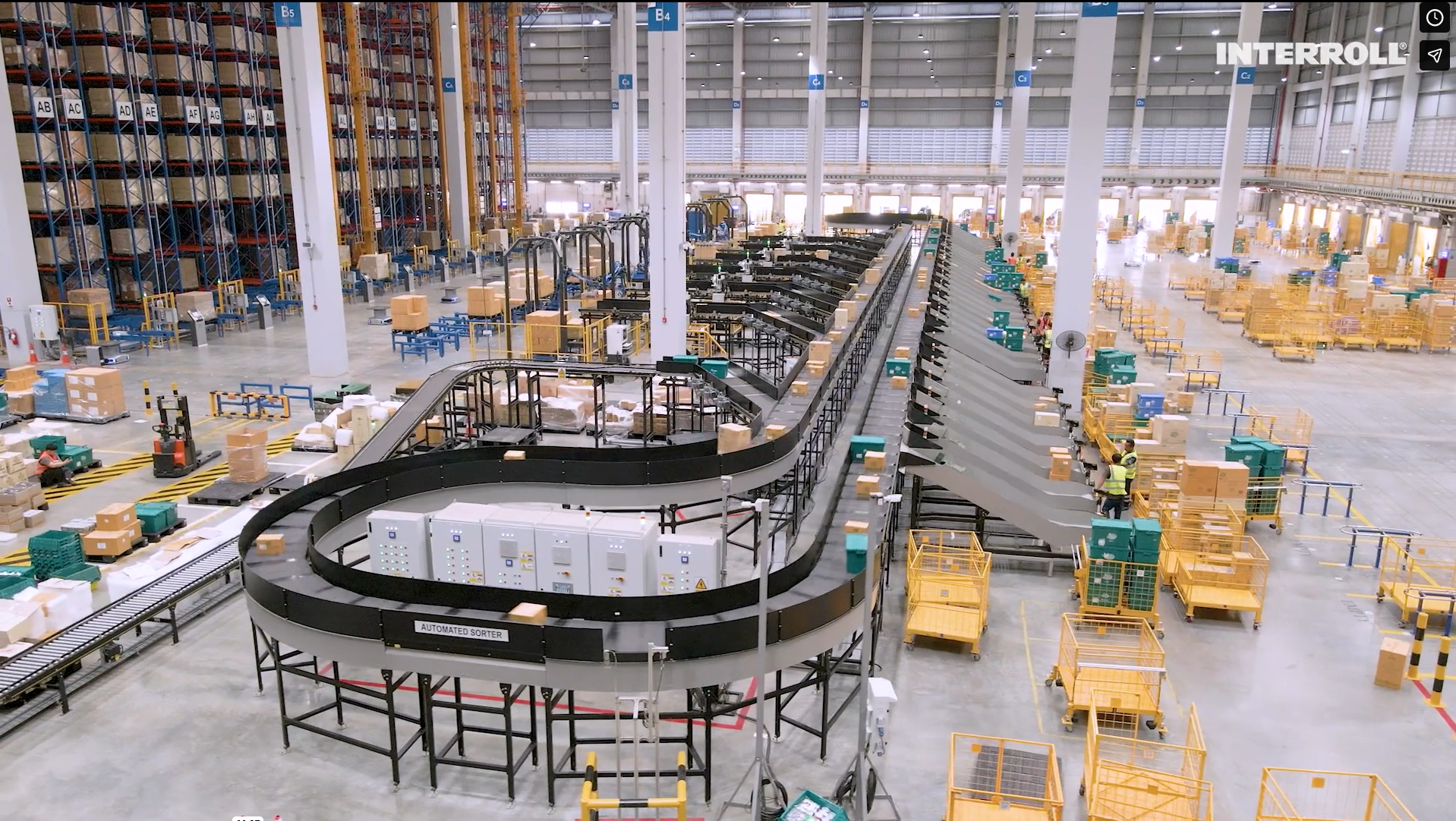
Sortation decisions are increasingly driven by throughput fit, footprint, lifecycle value, and implementation risk. Here is why right-sized automation is becoming the smarter strategy
In sortation, bigger is not always better.
That may sound obvious, but the market has spent years rewarding scale. High-speed systems, major hub projects, and large automation investments often received most of the attention. Today, however, the decision logic is changing. Across parcel, general merchandise, warehousing, and distribution, more companies are asking a different question: what is the right sortation strategy for this site, this flow, and this stage of growth?
That shift is giving new importance to right-sized automation.
Right-sized sortation means selecting the solution that fits the actual operational requirement rather than the most advanced-looking technology or the highest theoretical throughput. It is a practical approach grounded in layout constraints, item profiles, destination count, CAPEX discipline, integration complexity, and long-term lifecycle value.
In today’s market, that approach is becoming more relevant for one simple reason: sortation demand is fragmenting.
Why the market is moving toward right-sized decisions ?
The global sortation market is growing, but not dramatically. At the same time, investment patterns are becoming more selective. Instead of a few dominant mega-projects, the industry is seeing more regional projects, more brownfield upgrades, and more facilities that need practical automation within existing constraints.
This is particularly visible in parcel and general merchandise, which together make up the largest part of the market. Parcel remains the main battleground, while general merchandise continues to be a stable source of demand. Food and beverage is a fast-growing niche, but still relatively small in absolute share.
That means many buyers are no longer choosing between “manual” and “fully automated mega-hub.” They are choosing among several automation paths with different trade-offs.
And those trade-offs matter.
What does right-sized sortation actually mean?
It means starting from the application, not the equipment category.
A high-capacity loop sorter may be the right answer for a major parcel hub where throughput, nonstop availability, and broad payload handling define the business case. But that same solution may be oversized for a regional parcel center, a retailer-owned injection hub, or a brownfield distribution site where space, speed of implementation, and CAPEX are the real constraints.
Likewise, a very simple modular solution may be attractive on upfront cost, but it may create limitations in destination density, performance stability, controls complexity, or future scalability.
Right-sized sortation sits in the discipline of matching four realities:
- Throughput reality: What volume does the site truly need to process, now and in the near future?
- Layout reality: Is this a greenfield site or an existing building with tight space constraints?
- Economic reality: What level of investment, implementation speed, and lifecycle cost is acceptable?
- Operational reality: What level of maintenance, integration effort, and flexibility can the site support?
When those four realities are aligned, sortation decisions become more robust.
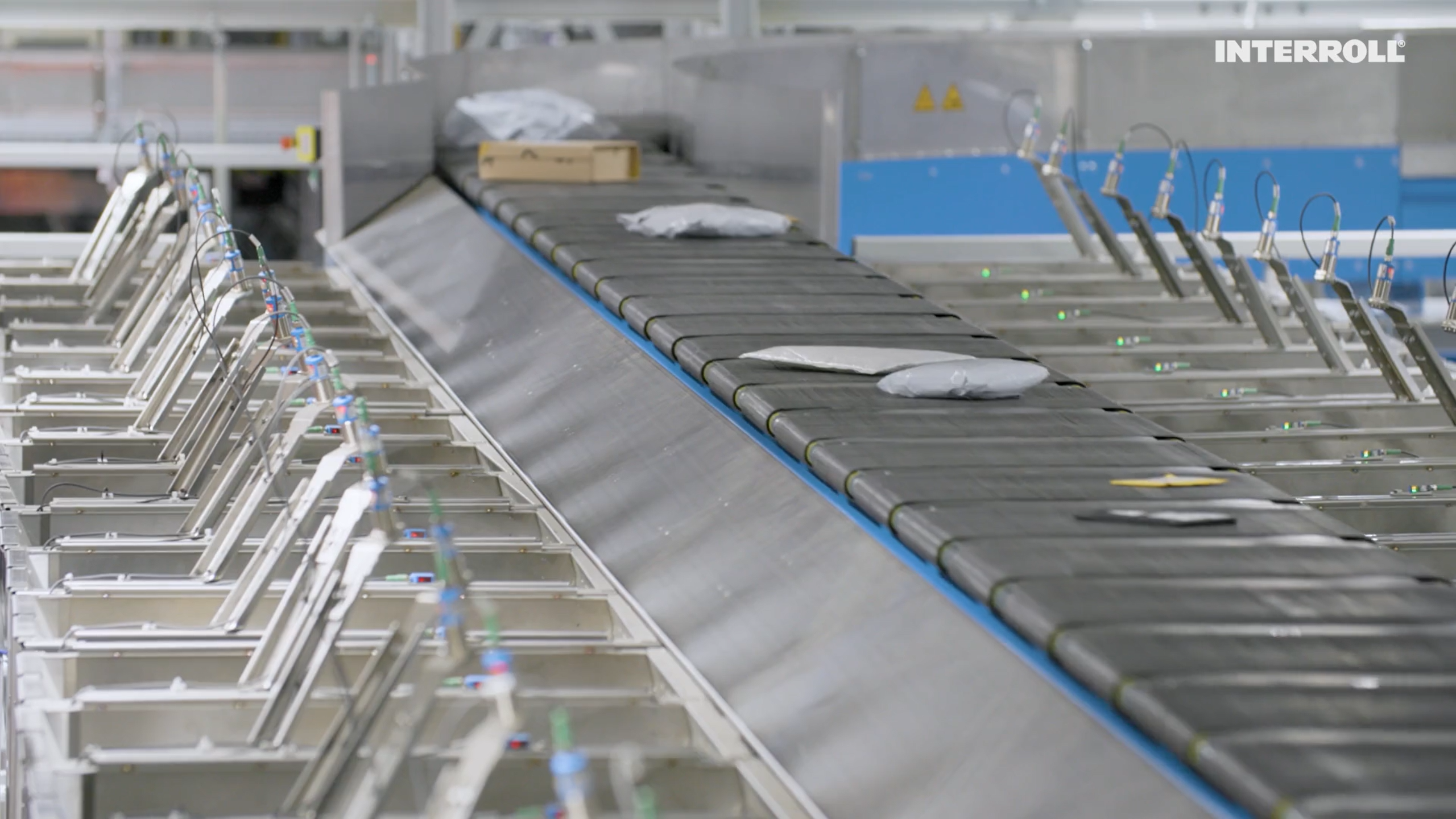
Find below a video of our HPD, a fast sorter solution fit to phased automation and modular brownfield improvements
Why throughput fit matters more than technology labels?
One of the most useful ways to understand sortation is by performance segment rather than by technology name alone.
Different technologies compete across different throughput ranges and project types. Some are optimized for high-volume loop applications. Others are better suited to line layouts, compact footprints, or lower-to-mid throughput environments. Some work well in highly constrained brownfield sites. Others are strongest in large greenfield installations.
That is why technology selection should not start with a trend word. It should start with the operational sweet spot.
This is especially relevant now, because many of the growing applications in the market sit in the mid-performance range. These projects often need compact layouts, high destination density, easy commissioning, and lower complexity. In those cases, right-sized sortation can outperform overengineered alternatives simply by being easier to install, easier to run, and better matched to the site.
Why lifecycle value is becoming a bigger part of the conversation ?
As buyers become more selective, the conversation is shifting beyond acquisition cost.
Lifecycle value now matters more. That includes uptime, maintenance effort, energy use, spare parts, retrofit potential, and the ability to expand or adapt the system over time. In a fragmented market, long-term flexibility becomes a competitive advantage.
This is one reason modular, standardized, and maintenance-friendly solutions are gaining more attention. In many facilities, the best automation decision is the one that delivers reliable performance with lower engineering effort and lower risk over the full operating life of the system.
What should decision-makers ask before selecting a sorter?
Before moving to product comparison, decision-makers should clarify a few basic questions:
- What role does this facility play in the network?
- Is the expected throughput stable, seasonal, or likely to grow rapidly?
- How much space is actually available for sortation and destinations?
- How much downtime can the site tolerate during installation and ramp-up?
- Is future expansion likely to happen inside the same footprint?
- What level of maintenance complexity is realistic for the operating team?
These questions often reveal that the smartest automation strategy is not the most extreme one. It is the one that fits best.
The next phase of sortation growth will reward precision in decision-making.
As networks become more decentralized and projects become more varied, right-sized automation is emerging as the smarter strategy. It helps operators avoid both underperformance and overinvestment. It helps OEMs and system integrators deliver solutions with clearer business cases. And it creates a more practical bridge between today’s needs and tomorrow’s expansion.


.png?width=1414&height=2000&name=Sortation%20Portoflio%20carousel%20(1).png)
.png?width=8000&height=2600&name=TEMPLATE%20BANNERS%20(1).png)