What to consider when choosing a conveyor system for automated material handling
by Davide Laudadio on Nov 4, 2026, 2:29:22 PM
Choosing the right conveyor system is a critical decision when designing or upgrading an automated material handling operation. Whether you're a system integrator developing a new solution or an end user looking to improve warehouse efficiency, the right technology can significantly influence throughput, operating costs, and long-term flexibility.
But what should you prioritize when evaluating automated conveyor systems?
What Are the Key Factors When Choosing an Automated Conveyor System?
The best conveyor system is one that meets today's operational requirements while remaining adaptable to future demands. Five factors deserve particular attention:
1. Throughput and material flow efficiency
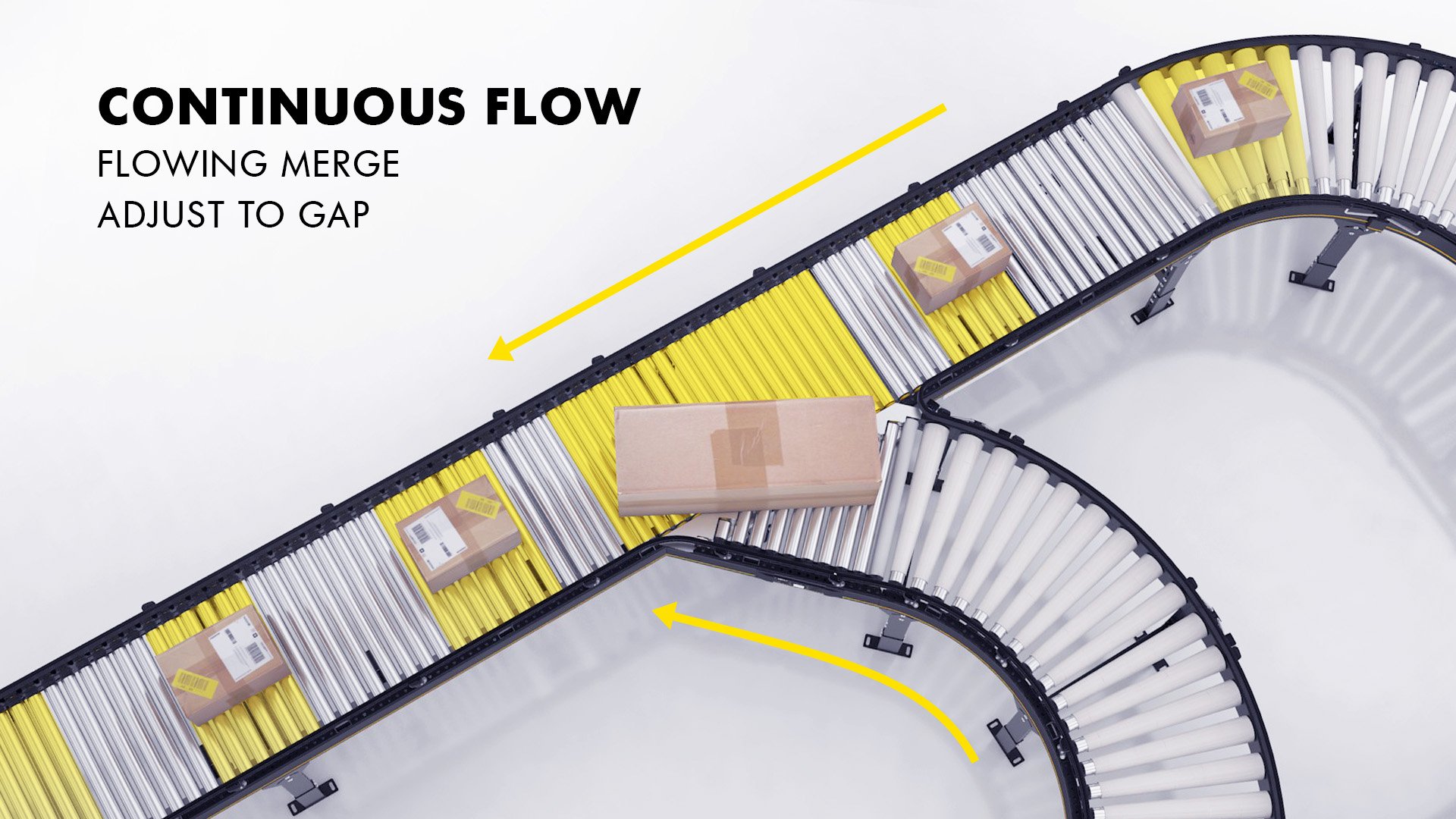
An efficient conveyor system should maintain a consistent flow of goods, even during periods of high demand. Beyond maximum conveyor speed, consider how the system manages product spacing, merging, and accumulation. Unnecessary stops and starts can reduce overall performance.
2. Flexibility and scalability
Operational requirements change. Modular conveyor systems offer greater flexibility to expand capacity, modify layouts, or adapt to new processes without redesigning the entire installation.
For system integrators, modularity can also simplify system configuration and project implementation.
3. Energy efficiency and sustainability
Energy consumption is an important consideration when evaluating long-term operating costs. Conveyor technologies that reduce unnecessary acceleration, deceleration, and interruptions can help lower power consumption and equipment wear.
4. Integration and commissioning
How easily can the conveyor system be integrated into the overall automation architecture?
System integrators should evaluate configuration complexity, programming requirements, and commissioning time. End users benefit from solutions that support faster ramp-up and minimize operational disruption.
5. Reliability and maintenance
Downtime directly affects productivity. Evaluate equipment durability, maintenance accessibility, and the availability of technical support. A reliable conveyor system should deliver consistent performance throughout its operating life.
How Can Intelligent Conveyor Technology Improve Material Handling?
Traditional conveyor selection often focuses on mechanical specifications such as speed and load capacity. However, intelligent conveyor functionality is becoming increasingly important.
Advanced conveyor technologies can optimize how goods move through the system, improving throughput without necessarily increasing conveyor speed.
For example, Interroll MCP PLAY, an intelligent evolution of the Modular Conveyor Platform (MCP), introduces capabilities designed to simplify system implementation and optimize material flow.
Two features are particularly relevant:
- Flowing Merge: Enables a continuous flow of goods through merging points, reducing unnecessary interruptions and supporting higher overall system efficiency.
- Adjust the Gap: Optimizes spacing between conveyed items, helping maintain smooth product flow and improve downstream process coordination.
These functions help address common operational challenges while supporting energy-efficient conveying.
What Should System Integrators Look for in a Conveyor Platform?
For system integrators, selecting the right conveyor technology also means choosing a platform that simplifies project execution.
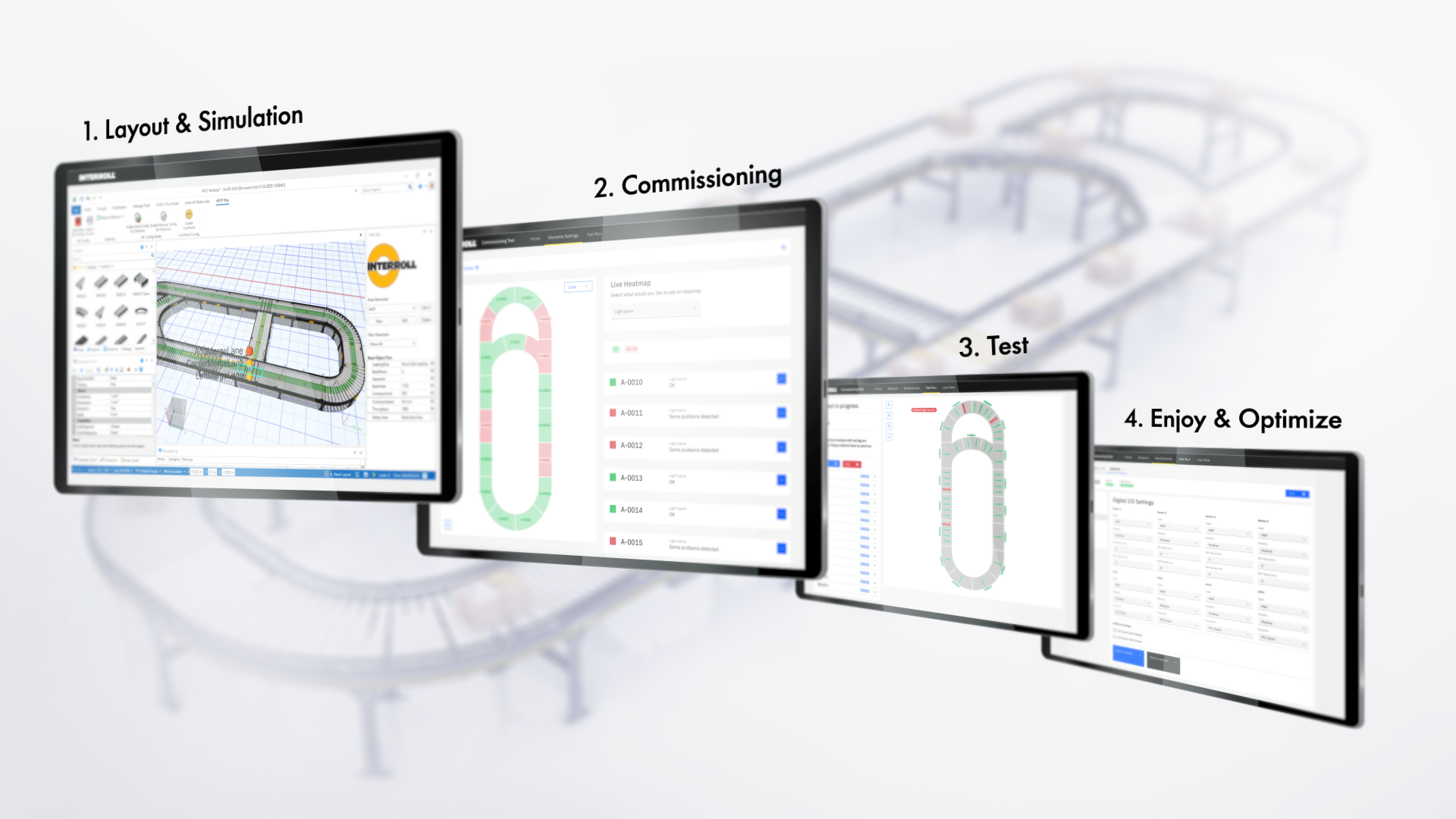
Important considerations include reduced programming complexity, intuitive layout and simulation tools, faster commissioning, and flexibility during implementation.
MCP PLAY addresses these requirements through intelligent functionalities designed to streamline processes from system design to operational optimization. By reducing programming efforts and simplifying commissioning, it can help system integrators manage project timelines and resources more effectively.
What Should End Users Prioritize for Long-Term Performance?
For warehouse operators, distribution centers, and manufacturers, the focus extends beyond installation to operational performance and total cost of ownership.
A suitable conveyor system should support consistent throughput, efficient energy use, dependable operation, and future scalability.
By enabling smoother material flow and reducing unnecessary stops, MCP PLAY can help end users improve operational efficiency while minimizing equipment wear.
How Do You Choose the Right Conveyor System for Your Operation?
The right conveyor system balances performance, flexibility, energy efficiency, and ease of implementation.
For end users, this means reliable operations and long-term efficiency. For system integrators, it means faster project execution and a platform that is easier to design, configure, and commission
With MCP PLAY, Interroll brings these priorities together through modular conveyor technology and intelligent material flow management.
Discover how Interroll MCP PLAY can support your next automated material handling project.
Curious how intelligent conveyor technology can help?
Discover Interroll MCP PLAY and explore its approach to managing material flow.
Looking to improve material flow and reduce product accumulation?
Discover how Interroll MCP PLAY can help optimize conveyor flow. Download the MCP PLAY leaflet to explore its features and benefits.